Book details
Unlocking the Architecture of Language: Navigating Modern Lexicons
Bridging Traditional Rules and Modern Linguistic Theory
When you spend years knee-deep in syntax trees, structural analysis, and the subtle nuances of stylistic phrasing, you realize one unchanging truth: language refuses to stay neatly in a box. Having spent decades analyzing how people actually write versus how old-school textbooks say they should write, I’ve found that the biggest roadblock for students and writers isn’t a lack of vocabularyit’s the chaotic jungle of contradictory terminology. One grammarian calls it a “modifier,” another a “qualifier,” and suddenly a simple sentence feels like a decrypted code.
This is precisely where specialized reference material shifts from a luxury to an absolute necessity. If you want to complement your study toolkit with an alternative, highly structural approach tailored for learners, you can also explore this A Reference Grammar for Students of English Free PDF Download.
Decoding the Framework: What Makes an Authoritative Lexicon Stand Out?
A truly exceptional language guide doesn’t just hand you rigid definitions; it maps out the entire ecosystem of how words behave. When Sylvia Chalker and Edmund Weiner engineered their seminal text, the goal wasn’t to lock language into a sterile cage, but to build a bridge between age-old traditional classifications and modern transformational linguistics.
- Navigating Terminology Clashes: In practice, different schools of thought use identical labels for entirely different phenomena. A brilliant resource cuts through this friction by exposing the layers behind single expressions, saving you from academic whiplash.
- Descriptive vs. Prescriptive Balance: Real-world expertise teaches us that language evolves organically on the streets and online, far faster than any classroom can keep up. The finest references offer contextual usage advice without slipping into dry, unyielding dogma.
- Integration of Contemporary Shifts: Modern updates incorporate insights from monumental studies like The Cambridge Grammar of the English Language, ensuring that whether you are dissecting historical morphology or contemporary syntax, your foundations remain razor-sharp.
Talk English by Ken Xiao | Free PDF Download & Daily Fluency Routine
English C1 Vocabulary 2022 PDF Free Download – Premier English | hub. read radius
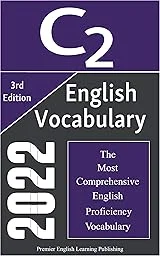
English C2 Vocabulary 2022: Your Guide to Mastering Advanced English
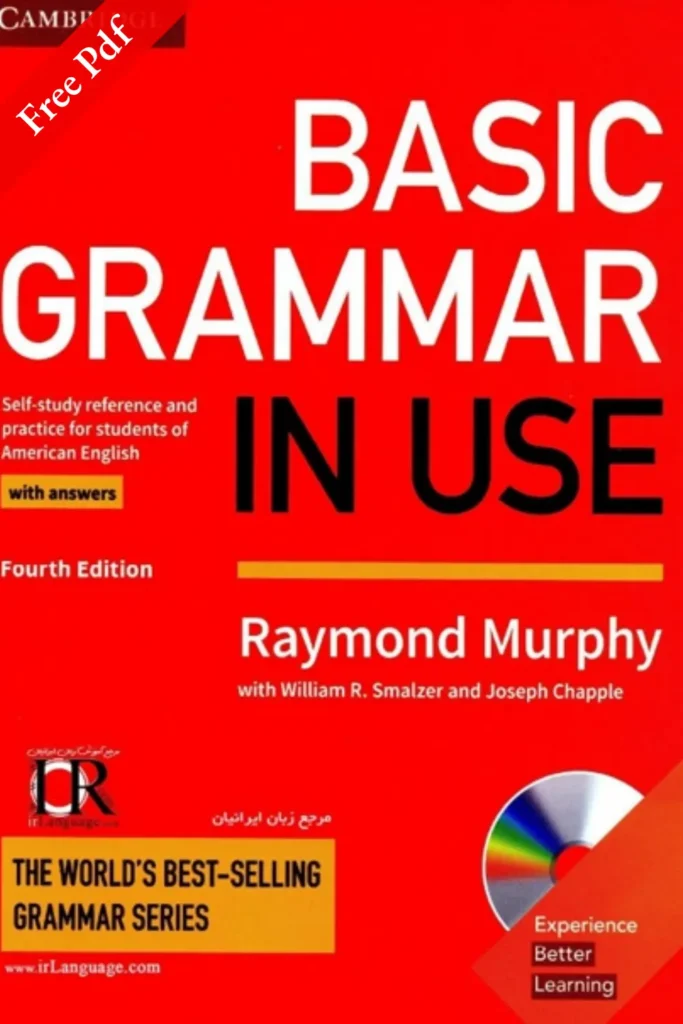
Download Basic Grammar in Use Student’s Book PDF — Free Guide
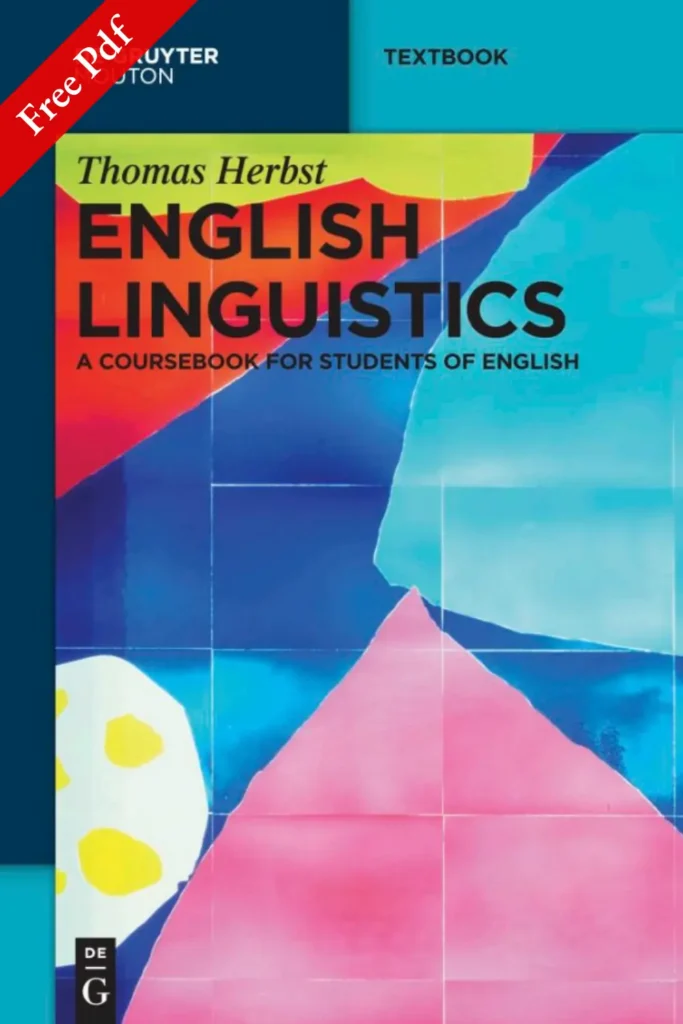
English Linguistics A Coursebook for Student’s Of English Book Free pdf Download
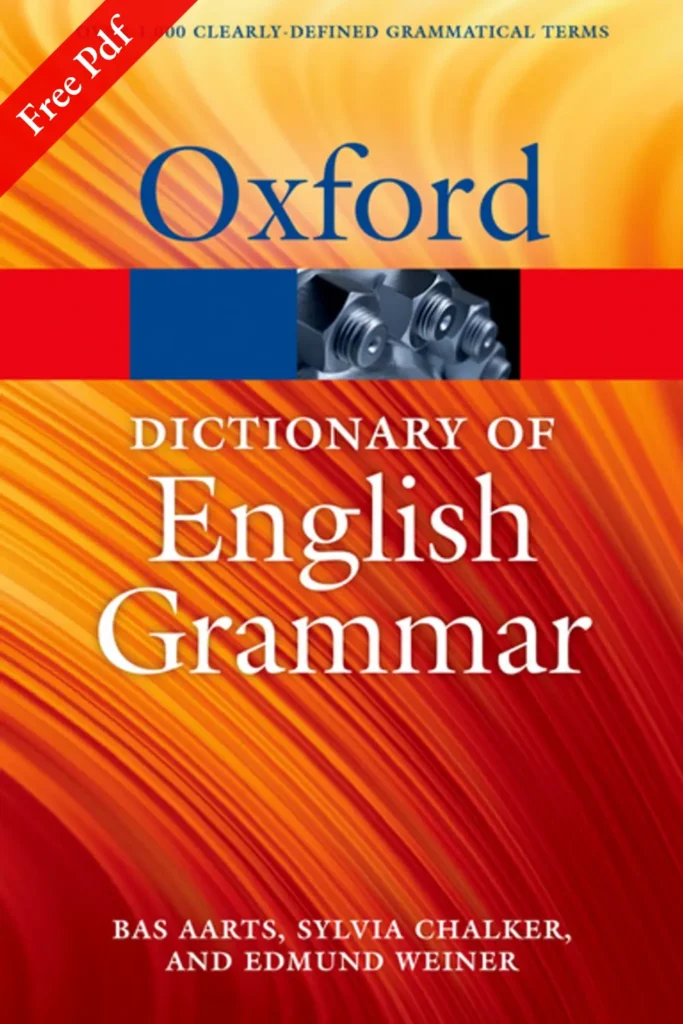
The Oxford Dictionary of English Grammar Free PDF Download