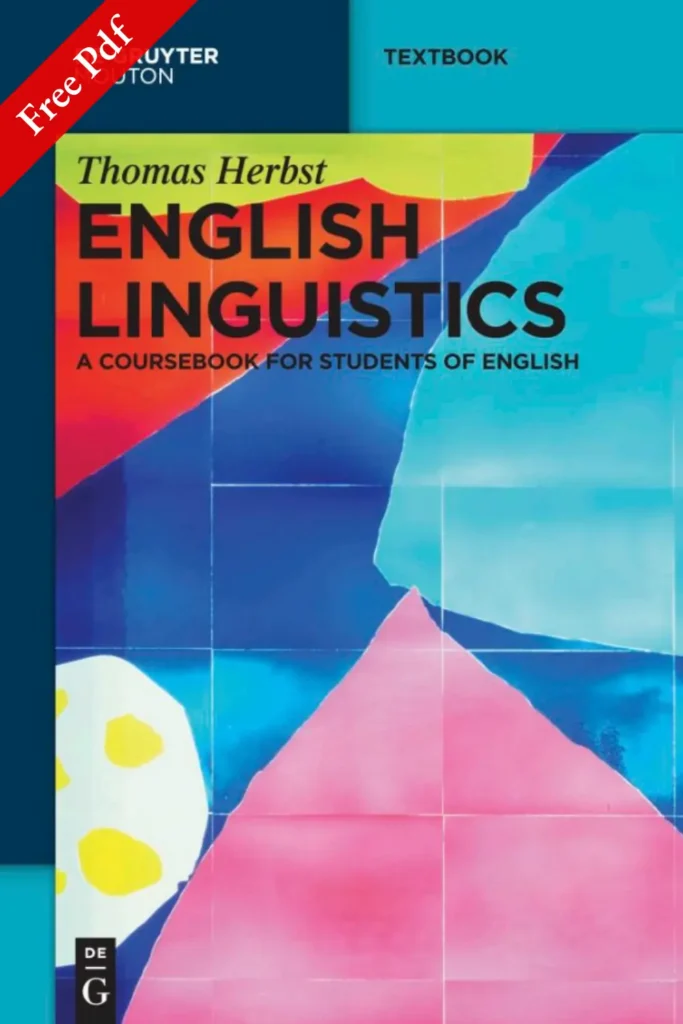

Book details
Talk English: Unlocking Fluency Beyond the PDF
Most language learners spend months collecting digital books, saving bookmarked links, and organizing cloud drives filled with grammar guides. Yet, when faced with a real-life conversation, the hesitation remains. “Talk English: The Secret to Speak English” by Ken Xiao addresses this gap by shifting the focus from passive academic studying to active, natural execution. Accessing the material in PDF form is merely the entry point; real progress comes from applying its core principles.
Deconstructing the “Secret” Routine
The foundational premise of the methodology rests on mimicking natural language acquisition rather than memorizing isolated rules. Traditional classroom methods train the brain to translate native thoughts into English word-for-word, which slows down speech and creates mental blocks.
To overcome this, the focus shifts to direct imitation:
- Auditory Anchoring: Listening to short, natural audio samples from native speakers repeatedly until the rhythm and cadence become second nature.
- Shadowing Practice: Speaking the exact phrases out loud simultaneously with the audio to align accent, pacing, and mouth positioning.
- Pattern Internalization: Absorbing complete sentence structures instead of studying isolated vocabulary words.
Having worked with hundreds of ESL learners navigating this transition, the pattern is consistent: those who practice speaking out loud for ten minutes daily advance twice as fast as those who spend hours reading silently.
Transforming PDF Resources into Active Spoken Fluency
Downloading a free guide gives you raw material, but turning static text into active spoken skill requires a deliberate daily structure. Reading a page visually builds passive recognition, while converting that page into spoken repetition builds muscle memory.
To get maximum utility out of the text:
- Focus on Micro-Chunks: Take two or three everyday phrases from a chapter rather than trying to memorize an entire page.
- Record and Mirror: Use a phone recorder to capture your voice repeating a phrase, then compare it directly against natural audio. Pay attention to pitch drops and connected speech (where words blend together).
- Say It in Context: Immediately adapt the phrase to match your daily life your work tasks, your personal interests, or your daily routine so the brain stores it as useful personal data rather than abstract theory.
Fluency isn’t about knowing every complex grammar rule in the book; it is about making a core set of practical tools so second nature that you speak without stopping to think.
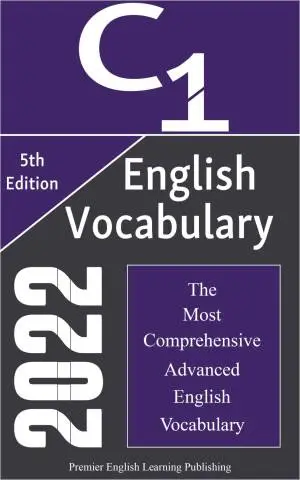
English C1 Vocabulary 2022 PDF Free Download – Premier English | hub. read radius

A Reference Grammar for Students of English Free PDF Download
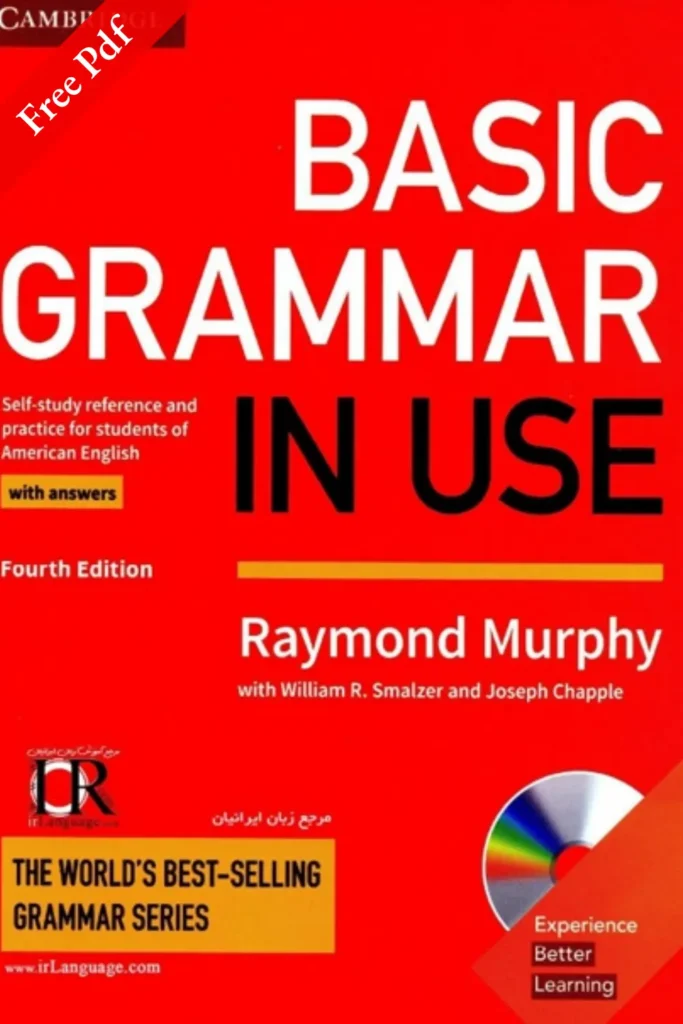
Download Basic Grammar in Use Student’s Book PDF — Free Guide

The Oxford Dictionary of English Grammar Free PDF Download
English C2 Vocabulary 2022: Your Guide to Mastering Advanced English

Talk English by Ken Xiao | Free PDF Download & Daily Fluency Routine