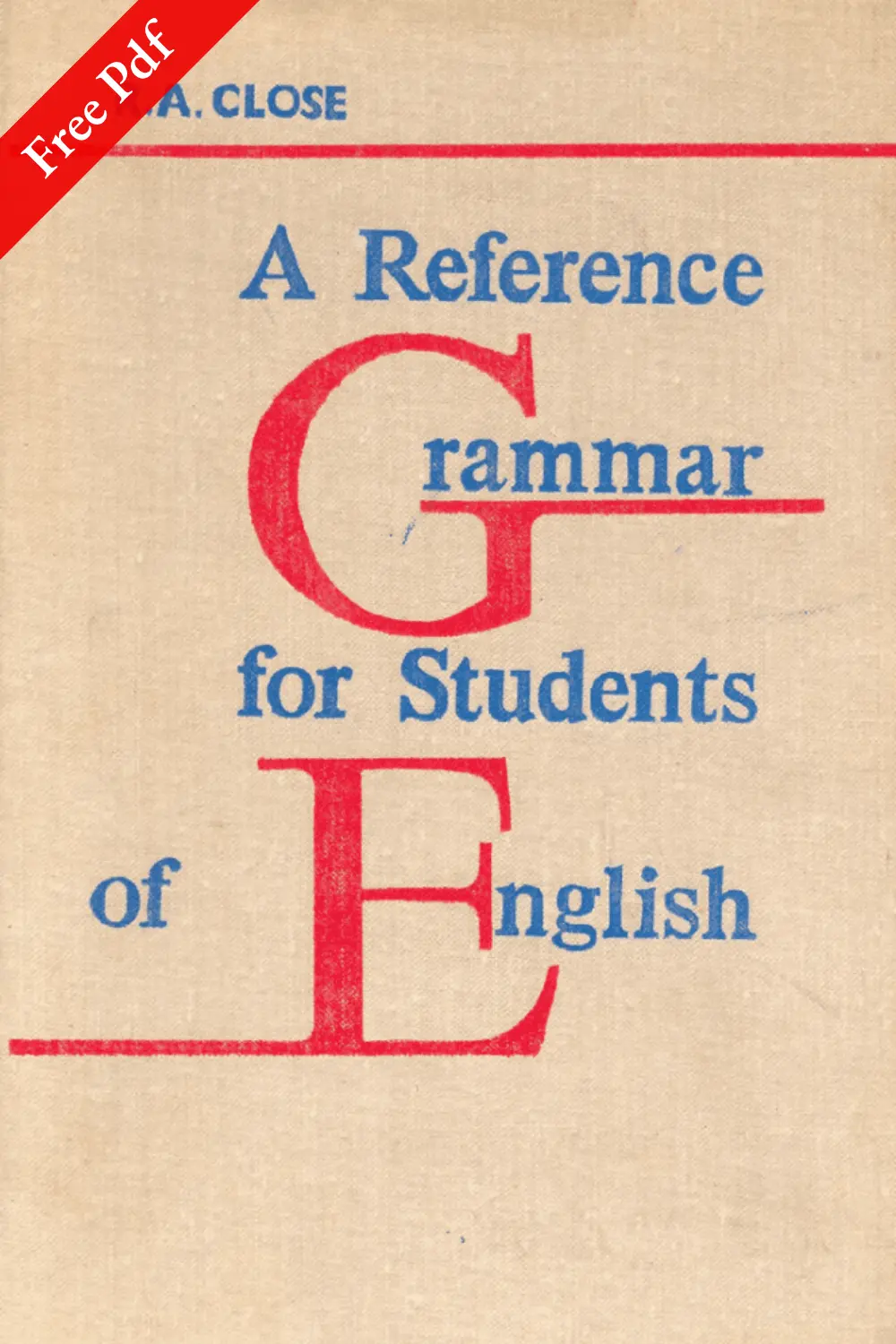
Book details
A Reference Grammar for Students of English: PDF Reference Guide
Demystifying Core Sentence Structures & Structural Mechanics
Mastering English sentence architecture requires moving past superficial rule memorization and understanding how core components function together in active context. At the fundamental level, every complete sentence hinges on a finite, independent clause that establishes a singular, complete thought. When analyzing real-world usage, the relationship between a nominal subject and its corresponding verbal group serves as the anchor for clarity.
In practical application, sentences can vary from straightforward single-clause statements to complex, multi-layered structures:
- Statements: Deliver direct factual propositions or observations where the subject typically, but not exclusively, precedes the primary verb.
- Questions: Invert standard auxiliary verb placement to solicit specific information or confirmation.
- Imperatives: Omit the explicit subject—relying on an understood second-person target—to issue direct commands, guidance, or instructions.
Understanding these structural frameworks ensures that written communication remains grammatically sound without sacrificing natural cadence or expressive clarity.
Looking for Spoken Practice? While structural rules form the backbone of clean writing, building natural speaking skills requires a active routine. Explore our guide on Talk English by Ken Xiao PDF & Daily Fluency Routine to pair theoretical grammar knowledge with daily conversational execution.
Navigating Agreement, Verbal Aspects & Non-Finite Expressions
Beyond basic sentence construction, advanced fluency depends on managing subject-verb agreement and subtle shifts in verbal aspect. Agreement extends past simple singular or plural pairings; when dealing with complex nominal groups or collective nouns, the structural head of the noun phrase dictates the proper agreement form. A clear understanding of these nuances prevents common agreement errors across varying registers of formality.
English C1 Vocabulary 2022 PDF Free Download – Premier English | hub. read radius
A Reference Grammar for Students of English Free PDF Download
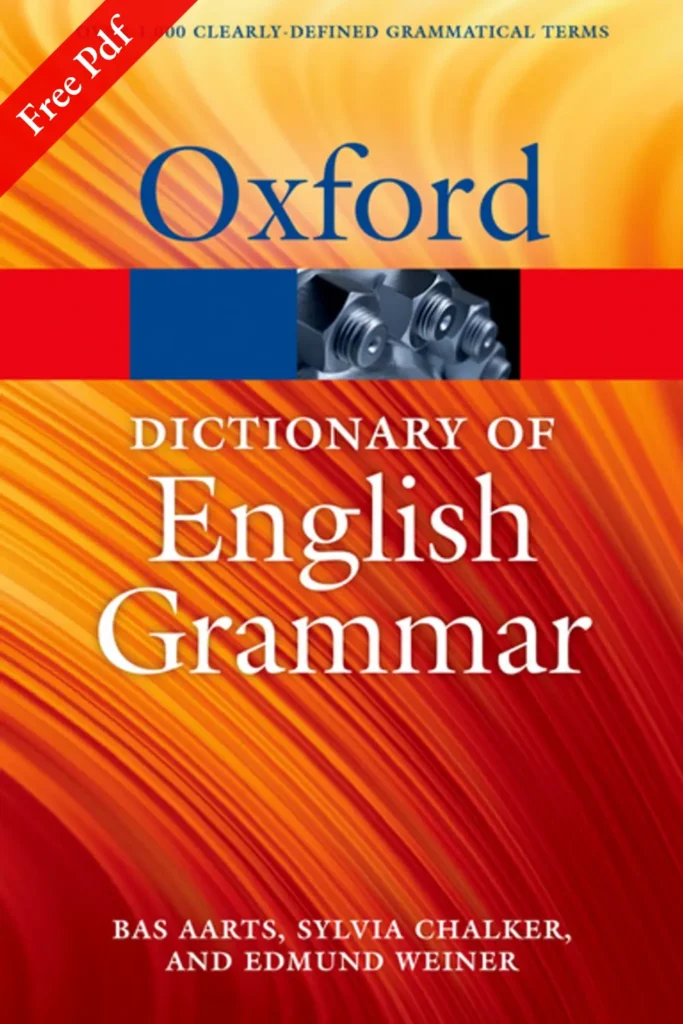
The Oxford Dictionary of English Grammar Free PDF Download

Talk English by Ken Xiao | Free PDF Download & Daily Fluency Routine
English C2 Vocabulary 2022: Your Guide to Mastering Advanced English
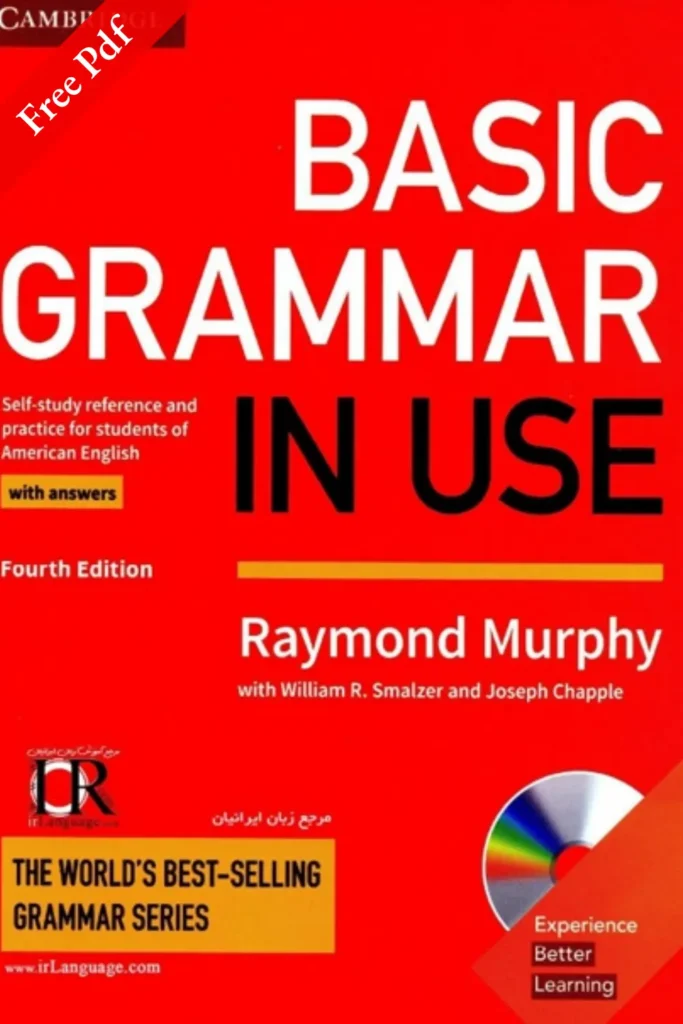
Download Basic Grammar in Use Student’s Book PDF — Free Guide