Book details
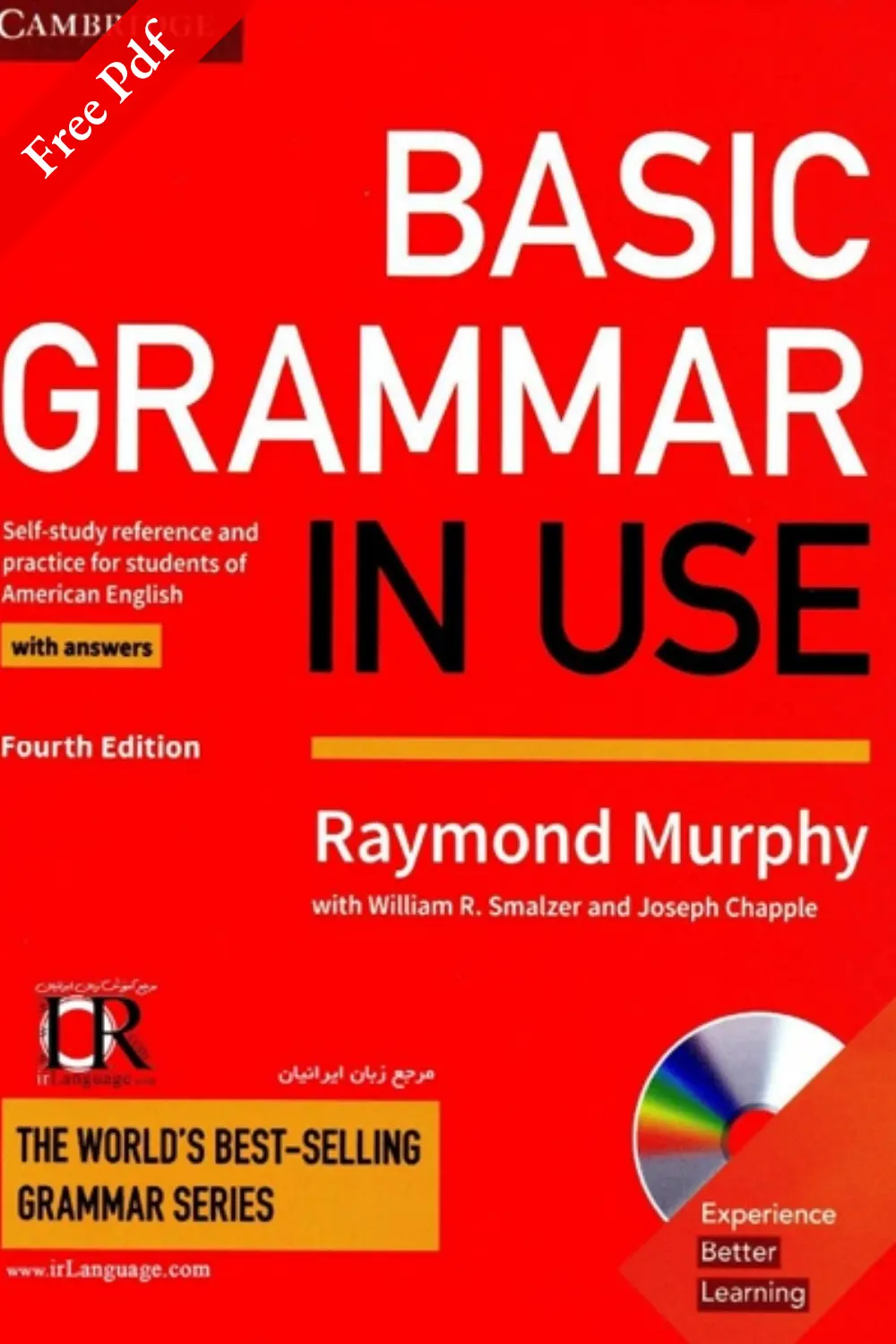
Basic Grammar in Use Student’s Book: A Complete Guide to Mastering English Fundamentals
Navigating English grammar often feels overwhelming, especially when starting from scratch or trying to fix long-standing habit errors. Among the hundreds of reference guides available today, Basic Grammar in Use Student’s Book (by Raymond Murphy with William R. Smalzer) stands out as the gold standard for self-study and classroom learning alike. Designed specifically for beginner to high-beginner learners (A1–B1 levels), it breaks complex structures into clear, manageable visual lessons.
Here is an in-depth breakdown of what makes this resource essential and how you can get the most out of it.
What Makes Basic Grammar in Use Ideal for Beginners?
The reason this book remains a global benchmark after decades in print comes down to its unique layout and practical approach. Unlike traditional textbooks that bury concepts under heavy academic jargon, Basic Grammar in Use utilizes a clean, two-page unit format:
- Left-Hand Page (Explanation): Presents grammar rules using clear, short example sentences, simple visual diagrams, and practical context.
- Right-Hand Page (Practice): Gives immediate exercises directly matching the examples on the left, allowing you to test your understanding right away.
This immediate feedback loop builds confidence fast. If you are also looking for a broader structural reference alongside this practice-heavy approach, exploring a comprehensive grammar reference can provide an excellent complementary foundation for deeper linguistic mechanics.
Key Grammar Topics Covered in the Student’s Book
The book systematically covers the core building blocks required for natural daily communication:
- Essential Tenses: Master the differences between present simple (“I work”) and present continuous (“I am working”), past simple, and basic future forms (“going to” / “will”).
- Modal Verbs: Practical usage of can, could, must, should, and might for requests, permission, and obligations.
- Nouns and Pronouns: Clear explanations of countable vs. uncountable nouns, possessives, and relative pronouns (who, which, that).
- Articles and Prepositions: Simple rules to solve the constant struggle with a/an/the, as well as prepositions of time and place (in, on, at).
- Sentence Structures: Questions formation, negative statements, passive voice basics, and essential phrasal verbs.
How to Use the PDF Version for Effective Self-Study
Having a digital PDF copy of the Basic Grammar in Use Student’s Book offers flexibility, but studying effectively from a screen requires a disciplined approach:
- Take the Diagnostic Test First: Use the study guide section at the back of the book to identify your specific weak areas rather than starting from page one blindly.
- Work with a Notebook: Avoid just reading through the PDF. Write out the exercise answers by hand on paper—this physical muscle memory reinforces grammatical patterns far better than typing.
- Say Examples Out Loud: Grammar isn’t just for writing. Speak the example sentences aloud to train your ears to recognize natural English phrasing.
- Check Answers Immediately: Always verify your work using the answer key at the back of the book. When you make a mistake, return to the left-hand page to understand why before moving on.
Where to Find and Access the Basic Grammar in Use PDF Safely
When searching online for downloadable PDF copies or supplementary digital files of the Student’s Book:
- Official Digital Resources: Look for legitimate educational platforms, university repositories, or Cambridge University Press companion materials that offer preview chapters, sample units, and audio attachments.
- Check for Answer Keys: Ensure the version you access includes the supplementary answer section, as some editions are published without answers specifically for classroom use.
- Open Educational Archives: Many digital libraries and public academic archives host downloadable, public-domain supplementary guides that pair directly with Murphy’s curriculum.
English Linguistics A Coursebook for Student’s Of English Book Free pdf Download
Talk English by Ken Xiao | Free PDF Download & Daily Fluency Routine
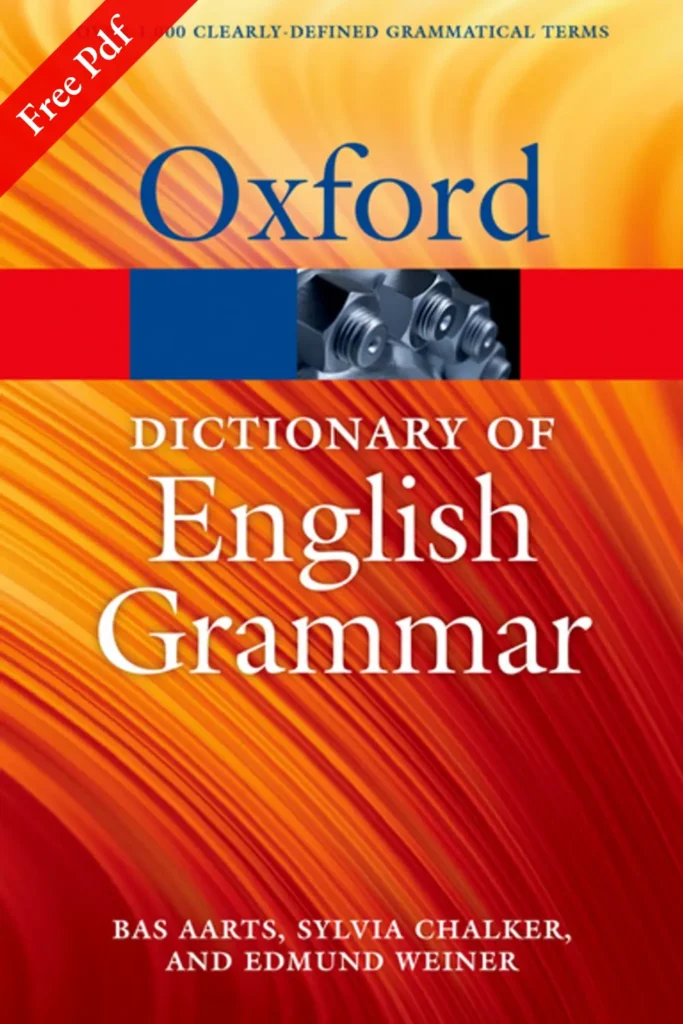
The Oxford Dictionary of English Grammar Free PDF Download
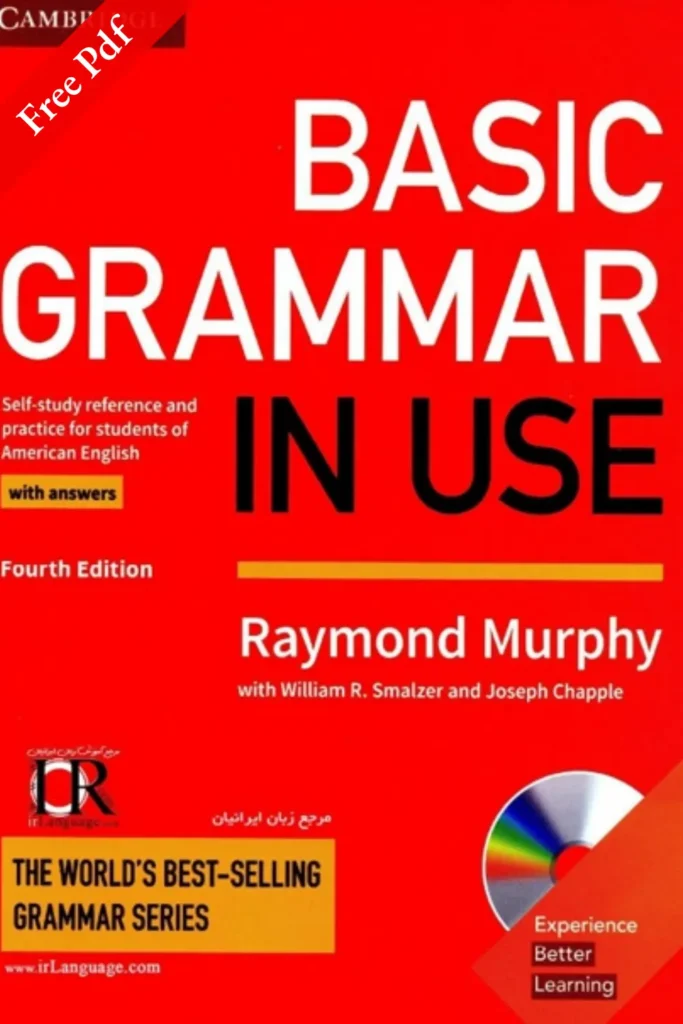
Download Basic Grammar in Use Student’s Book PDF — Free Guide
English C2 Vocabulary 2022: Your Guide to Mastering Advanced English
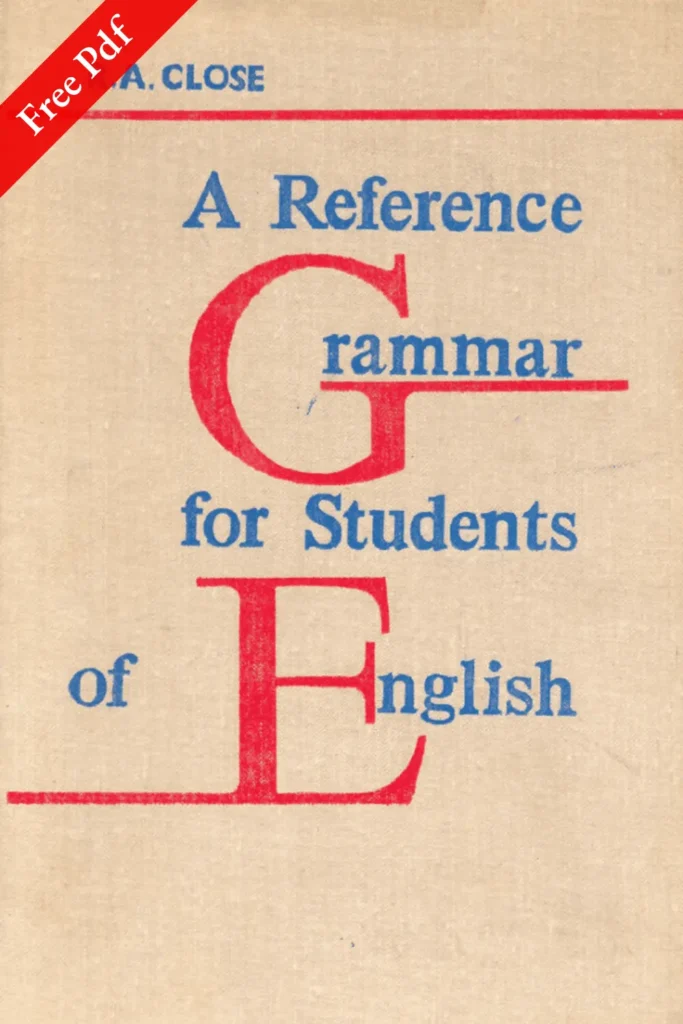
A Reference Grammar for Students of English Free PDF Download