
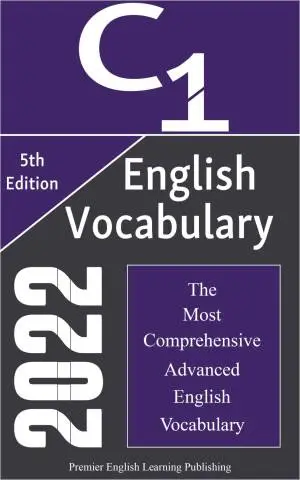
Book details
Elevating Your Language Skills from Advanced to Proficient
Reaching an advanced level in English is a major milestone, but transitioning from a C1 (Advanced) to a C2 (Proficiency) level requires a deliberate shift in how you acquire and use vocabulary. While C1 learners can communicate with ease and understand demanding texts, C2 proficiency is about absolute mastery. It is the level where you can express yourself spontaneously, very fluently, and precisely, differentiating finer shades of meaning even in complex situations.
If you are currently working with C1 materials, upgrading your study toolkit to include C2-specific resources is the most effective way to bridge this gap.
The Strategic Shift from C1 to C2 Vocabulary
To progress past the C1 threshold, your study habits must evolve. At the advanced level, you learn words to explain concepts; at the proficiency level, you learn words to convey precise emotional weight, professional authority, and cultural nuance.
Moving Beyond Simple Synonyms
A typical advanced student might know the word “stubborn” and its C1 synonym “obstinate.” However, a C2-proficient speaker understands when to use terms like “adamant” or “obdurate” to capture the exact degree of unwillingness to change one’s mind. Expanding your lexical range to this level ensures your writing and speaking parts in international exams stand out as truly native-like.
Mastering Nuanced Phrasal Verbs and Idioms
Idiomatic competence is the ultimate hallmark of a C2 user. While C1 vocabulary focuses on structured expression, C2 incorporates subtle phrasal verbs and cultural idioms seamlessly. Incorporating highly targeted resources, such as the English C2 Vocabulary 2022 book, allows you to study these complex linguistic structures with clear, contextualized examples. This structured transition makes your speech sound natural rather than forced.
Active Learning Strategies for C2 Mastery
Passive reading is no longer enough when targeting the highest tier of language acquisition. You must actively integrate C2 vocabulary into your daily routine.
- Contextual Repetition: Do not just memorize word lists. Write original sentences that relate directly to your personal life or career.
- Deliberate Practice in Writing: When drafting essays or emails, challenge yourself to replace common C1 descriptors with precise C2 alternatives.
- Focus on Collocations: Pay close attention to how words group together. Knowing that a comment is “acerbic” is helpful, but knowing it is “an extremely acerbic comment” builds true natural flow.

Talk English by Ken Xiao | Free PDF Download & Daily Fluency Routine
English C1 Vocabulary 2022 PDF Free Download – Premier English | hub. read radius
English Linguistics A Coursebook for Student’s Of English Book Free pdf Download
English C2 Vocabulary 2022: Your Guide to Mastering Advanced English
The Oxford Dictionary of English Grammar Free PDF Download
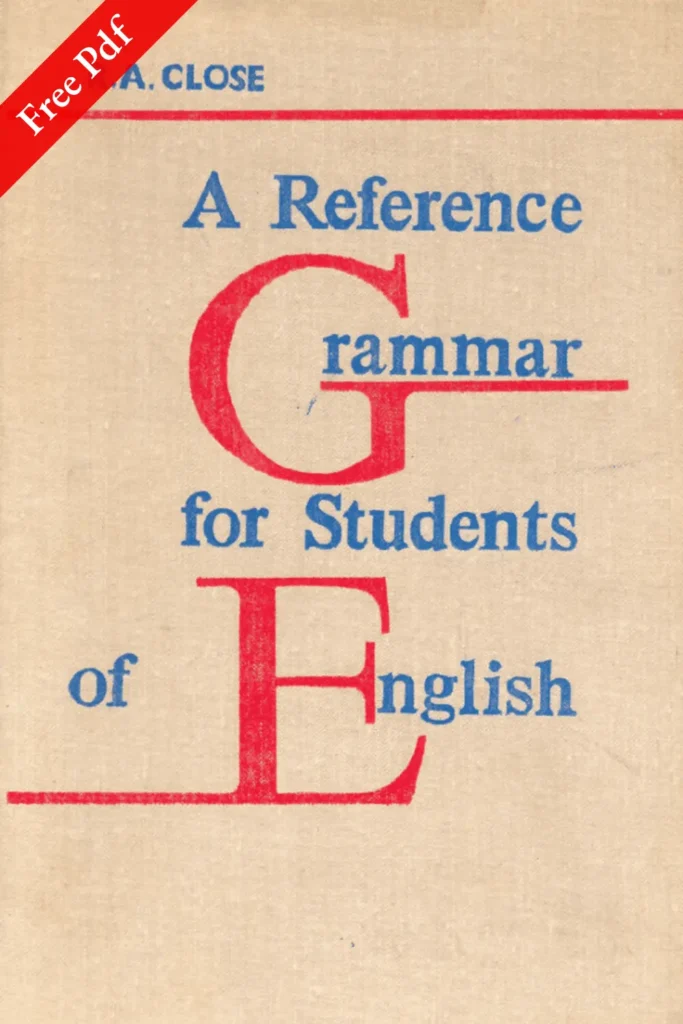
A Reference Grammar for Students of English Free PDF Download
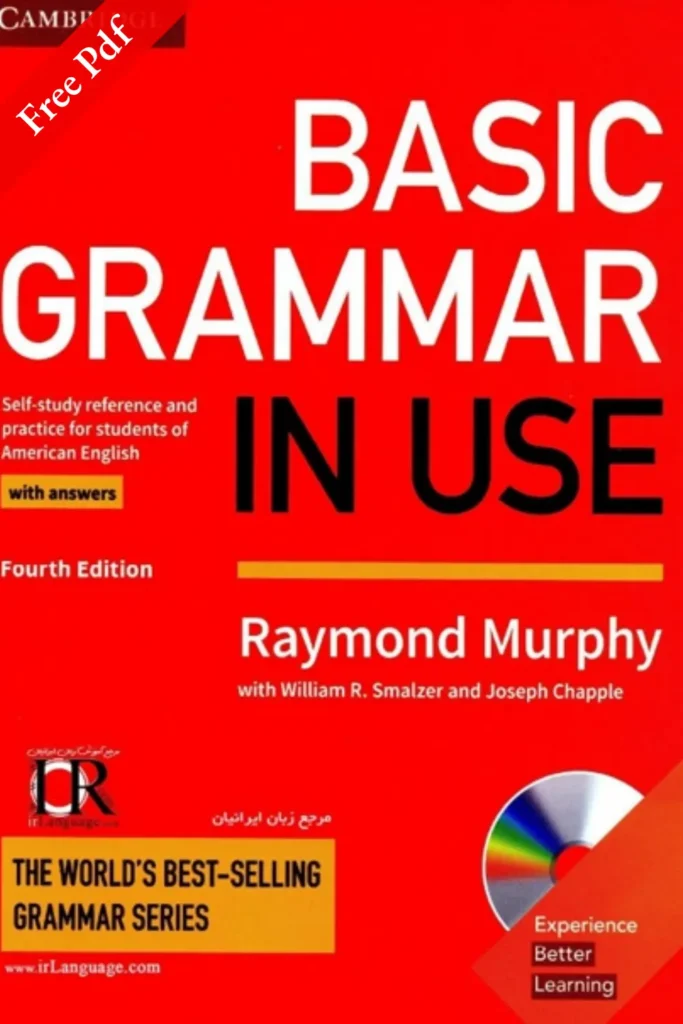
The full copy of this book is not here, sorry.